What is Neurodiversity?
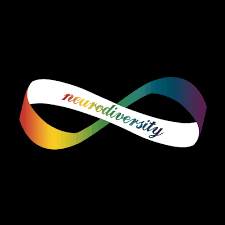
The human species develops in a wide range of unique cultures, environments, and family structures. We are found in a wide array of shapes, colors, sizes, and neurological wiring patterns. Neurodiversity, as with other diversity, is a natural - in this case neurological - variation present in our species.
Neurodivergent individuals include those labeled with Dyslexia, on the Autism Spectrum, with ADD, ADHD, Dyscalculia, Dyspraxia, and with Tourettes among others. A neurodiversity paradigm compels us to view autism and these other neurological differences as an element of the infinite variation of human wiring, rather than a disease needing a "cure."
To quote Nick Walker, a nuerodivergent educator, scholar and author:
"...idea that there is one “normal” or “healthy” type of brain or mind, or one “right” style of neurocognitive functioning, is a culturally constructed fiction, no more valid (and no more conducive to a healthy society or to the overall well-being of humanity) than the idea that there is one “normal” or “right” ethnicity, gender, or culture."
~ Nick Walker
neurocosmopolitanism.com/neurodiversity-some-basic-terms-definitions/
Neurodivergent individuals include those labeled with Dyslexia, on the Autism Spectrum, with ADD, ADHD, Dyscalculia, Dyspraxia, and with Tourettes among others. A neurodiversity paradigm compels us to view autism and these other neurological differences as an element of the infinite variation of human wiring, rather than a disease needing a "cure."
To quote Nick Walker, a nuerodivergent educator, scholar and author:
"...idea that there is one “normal” or “healthy” type of brain or mind, or one “right” style of neurocognitive functioning, is a culturally constructed fiction, no more valid (and no more conducive to a healthy society or to the overall well-being of humanity) than the idea that there is one “normal” or “right” ethnicity, gender, or culture."
~ Nick Walker
neurocosmopolitanism.com/neurodiversity-some-basic-terms-definitions/
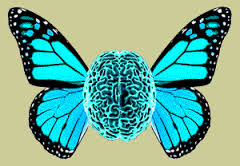
Neurodiversity Abounds
As a child, I was diagnosed with dyslexia and qualified for an Individual Education Plan. My mother also has dyslexia, my sister has Autism and my grandfather would today have likely been identified as having Tourettes. Neurodiversity is part of my family experience.
As a society we still have biases and lowered expectations around the capabilities and capacities of neurodivergent people. Yet, having differently wired brains has not negatively impacted the capabilities of my family:
As an adult, I need no accommodations for the learning difference that impacted my childhood. There is actually no reason I need to tell anyone I qualified for Special Education as a child. So why do tell people?
One of my roles as a neurodivergent educational leader is to broaden our awareness of bias regarding expectations for people who qualify for specially designed instruction.
Another role is to serve as an example for neurodivergent children and their families that struggling in school or qualifying for SpEd is not a limiter on your life.
As a society we still have biases and lowered expectations around the capabilities and capacities of neurodivergent people. Yet, having differently wired brains has not negatively impacted the capabilities of my family:
- I have a Doctorate of Education. While a child I needed accommodations, modifications and support to equitably access my learning, as an adult I need no accommodations in my career, nor did I need them while earning my Ed.D or MAT degrees.
- My mother is an MD, DVM. As a child and teen she struggled academically and only identified her dyslexia after I was tested as a child. She also earned her degrees without accommodations.
- My sister is an award winning, internationally published, young adult fiction author with a family of her own.
- My grandfather was an engineer with General Motors and worked with NASA.
As an adult, I need no accommodations for the learning difference that impacted my childhood. There is actually no reason I need to tell anyone I qualified for Special Education as a child. So why do tell people?
One of my roles as a neurodivergent educational leader is to broaden our awareness of bias regarding expectations for people who qualify for specially designed instruction.
Another role is to serve as an example for neurodivergent children and their families that struggling in school or qualifying for SpEd is not a limiter on your life.